01/26/2026
Interactive STEM Workshop
Sparking innovation through hands-on 3D design and printing, while teaching students to master the business and engineering of the FIRST Tech Challenge.
Date:
Location:
Pleasanton, California
Introduction & Commitment
Hands-on experience is the foundation of a future in engineering. Our programs focus on ensuring students and local communities have access to high-level technical tools, reducing the barrier to entry for robotics and improving long-term educational outcomes. We are committed to building a new generation of innovators and promoting STEM futures through direct interaction, creative problem-solving, and sustainable student-led initiatives.
Key Program Interventions
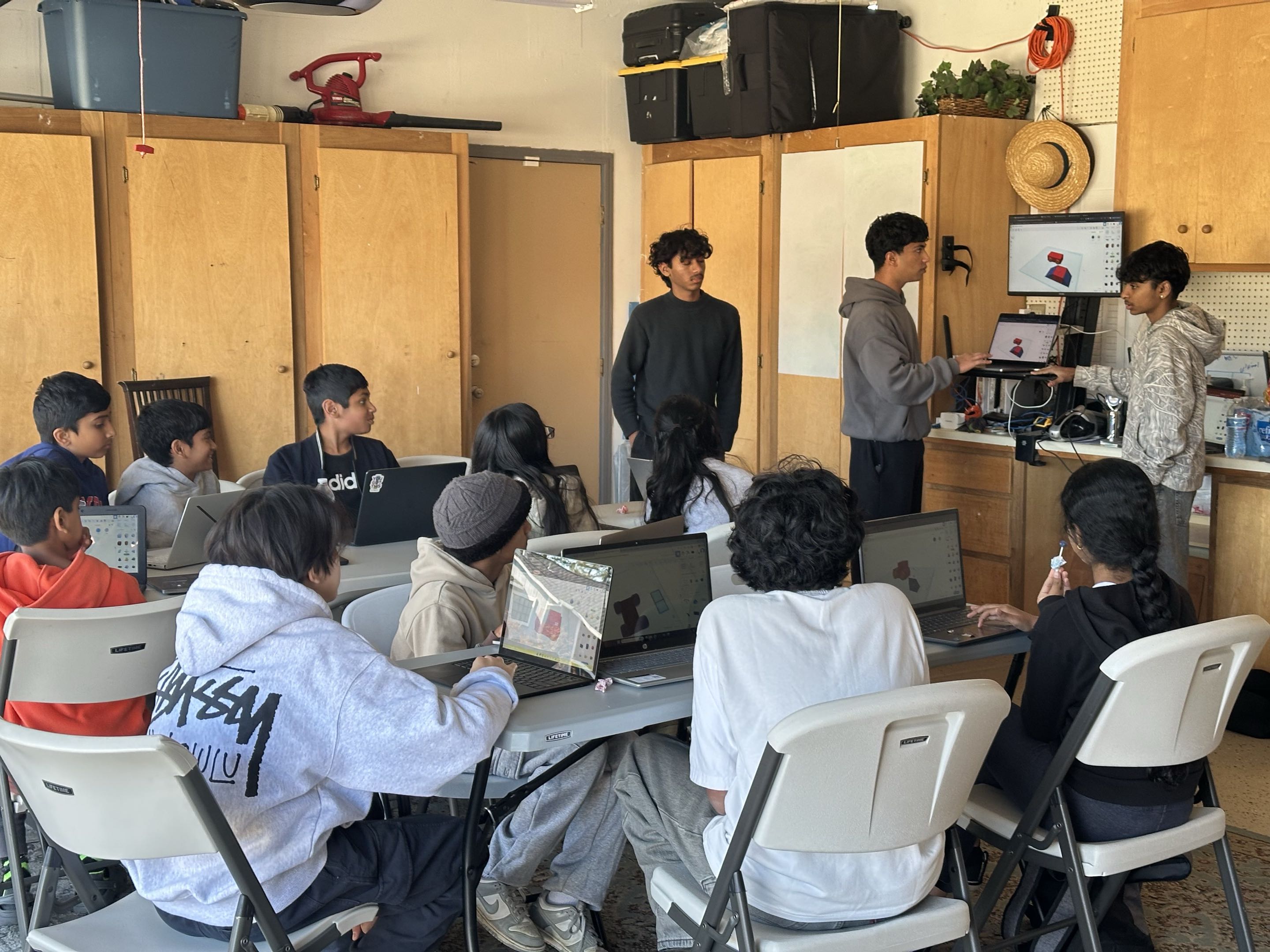
Tinkercad Design Workshops: An immersive deep-dive into 3D modeling where students learned the fundamentals of CAD to design their own custom car prototypes.
3D Printing & Manufacturing: Bringing digital ideas to life by printing the students' models on-site, allowing every participant to take home a physical version of the car they engineered.
FIRST Tech Challenge Introduction: A comprehensive look into the world of FTC, bridging the gap between basic hobbyist robotics and competitive global engineering standards.
The "Sponsorship Pitch" Challenge: An interactive business simulation where students were split into teams to brainstorm, strategize, and deliver professional pitches for team funding.
Teamwork & Leadership Development: Empowering students to advocate for their ideas, collaborate under pressure, and integrate professional communication practices into their technical projects.
Sustainable Impact
Our approach goes beyond showing off a robot—it builds confidence, technical self-reliance, and long-term interest in technology. Every 3D-printed car and every successful business pitch represents a step toward breaking the cycle of digital exclusion and educational stagnation.
From improved spatial reasoning in CAD to the newfound confidence of presenting a sponsorship case, our workshops transform how students see themselves. Participants once unfamiliar with robotics now see a clear path into the STEM workforce, and communities are becoming more resilient through technical knowledge and access to modern engineering tools.